Short answer
If your skin tolerates pure vitamin C and you want the classic dermatologist-backed antioxidant trio, start with Paula’s Choice C15 Super Booster. If pure vitamin C stings or your skin is dry, pick Sunday Riley C.E.O. (creamier THD ascorbate) or Caudalie Vinoperfect (non-acid alternative).
- Best pure vitamin C
- Paula’s Choice BOOST C15 Super Booster Check price →
- Best for dry skin
- Sunday Riley C.E.O. 15% Vitamin C Serum Check price →
- Sensitive skin pick
- Caudalie Vinoperfect Brightening Serum Check price →
- Fast surface glow
- Murad Vita-C Glycolic Brightening Serum Check price →
Vitamin C is the easiest skincare step to overspend on — and the easiest one to throw away half-used when the dropper turns dark brown, smells like pennies, or stings your cheeks.
Spending prestige money does not automatically solve those problems. What you are paying for in a luxury bottle is either a proven antioxidant pairing, an oil-soluble derivative that stays stable for months, or airless packaging that keeps oxygen out.
Here is how four of the most-recommended prestige brightening serums compare once you look past the bottle and read the 1-star and 3-star buyer complaints.
L-ascorbic acid vs THD ascorbate: what you are actually paying for
Two luxury serums can both say “15% vitamin C” on the front label and behave completely differently on your face. Before comparing brands, check which molecule carries the claim.
Three brightening actives in this roundup
Fastest clinical track record
Pure L-ascorbic acid
Water-soluble, low-pH vitamin C backed by the most clinical data for sun spots and collagen support, especially alongside vitamin E and ferulic acid. Trade-off: it oxidizes faster and can sting sensitive skin.
Stable & richer feel
THD ascorbate
Tetrahexyldecyl ascorbate is an oil-soluble vitamin C derivative. It resists turning brown in the bottle, sits comfortably in creamy bases for drier skin, and stings far less than low-pH water serums.
Zero-acid alternative
Viniferine (grapevine sap)
Not vitamin C at all, which is the point. Used by Caudalie for dark spots and dullness when every form of ascorbic acid triggers redness, flushing or perioral irritation.
The 4 luxury brightening serums, compared
| Measure | Paula's Choice C15 Super Booster | Sunday Riley C.E.O. 15% Serum | Caudalie Vinoperfect Serum | Murad Vita-C Glycolic |
|---|---|---|---|---|
| Brightening active | 15% L-ascorbic + E + ferulic | 15% THD ascorbate + glycolic | Viniferine + olive squalane | L-ascorbic + THD + glycolic |
| Texture | Thin water-light liquid | Rich creamy lotion | Light milky fluid | Silky dual-chamber serum |
| Fragrance-free | Yes (unmasked ferulic scent) | No (sweet citrus oils) | No (light green-grape parfum) | No (added fragrance) |
| Shelf stability | Use within ~3 months | High (airless pump + THD) | High (does not oxidize) | Protected dual-chamber pump |
| Top buyer complaint | Savory smell & oxidation | Pilling & clogged pores | Slow on deep melasma | Stinging & stuck pumps |
● marks the leader in that row. Prices change frequently — check the live price on Amazon.
Each serum in detail (including the 1-star complaints)
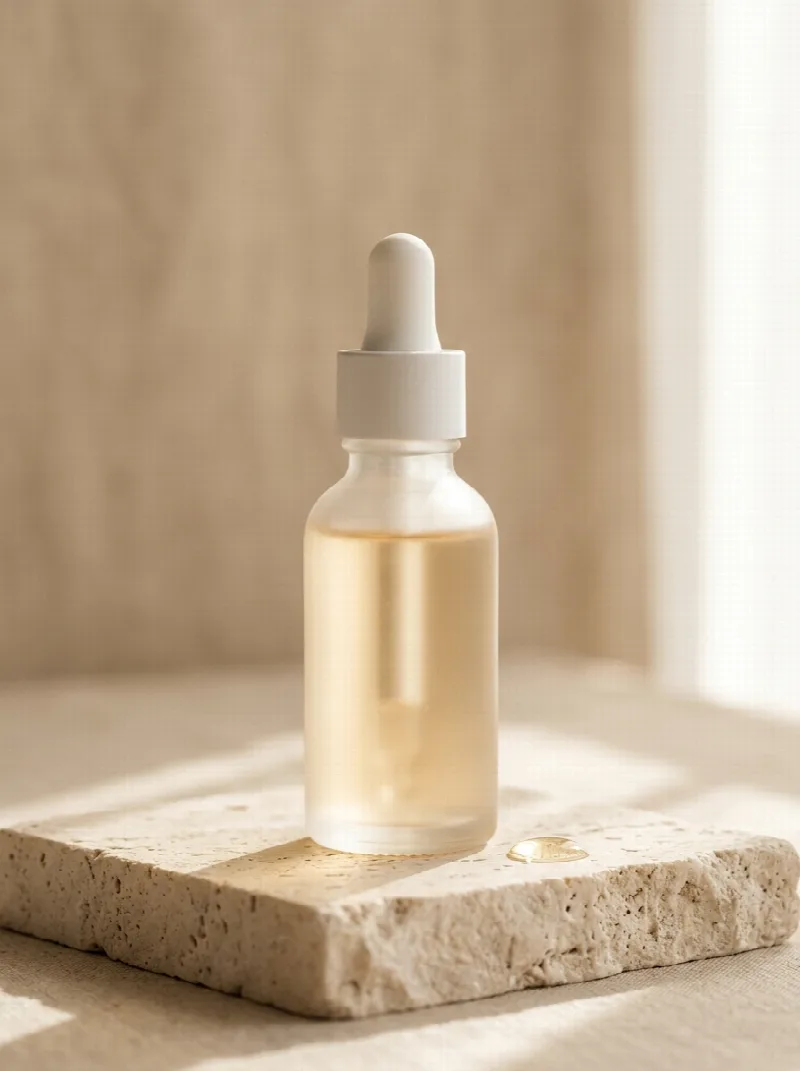
01 · Best pure vitamin C
Paula’s Choice BOOST C15 Super Booster
Paula’s Choice
If you want the classic dermatologist-endorsed combination — 15% pure L-ascorbic acid stabilized with vitamin E, ferulic acid and ergothioneine — without paying $180+ for a clinic bottle, this is the sharpest formula on the list. Its water-thin texture disappears under sunscreen in seconds and mixes cleanly into plain moisturizer. Just treat it like fresh produce: store it away from heat and use it daily before it turns dark amber.
Liked
- Gold-standard 15% L-ascorbic acid + vitamin E + ferulic acid pairing
- No added fragrance or essential oils
- Water-light drops layer easily under sunscreen without pilling
Didn't like
- Unmasked ferulic acid has a metallic, savory odor buyers compare to hot-dog water
- Dropper bottle lets air in, so it can oxidize within 3 months of opening
- Low-pH 15% pure acid can tingle or flush reactive skin
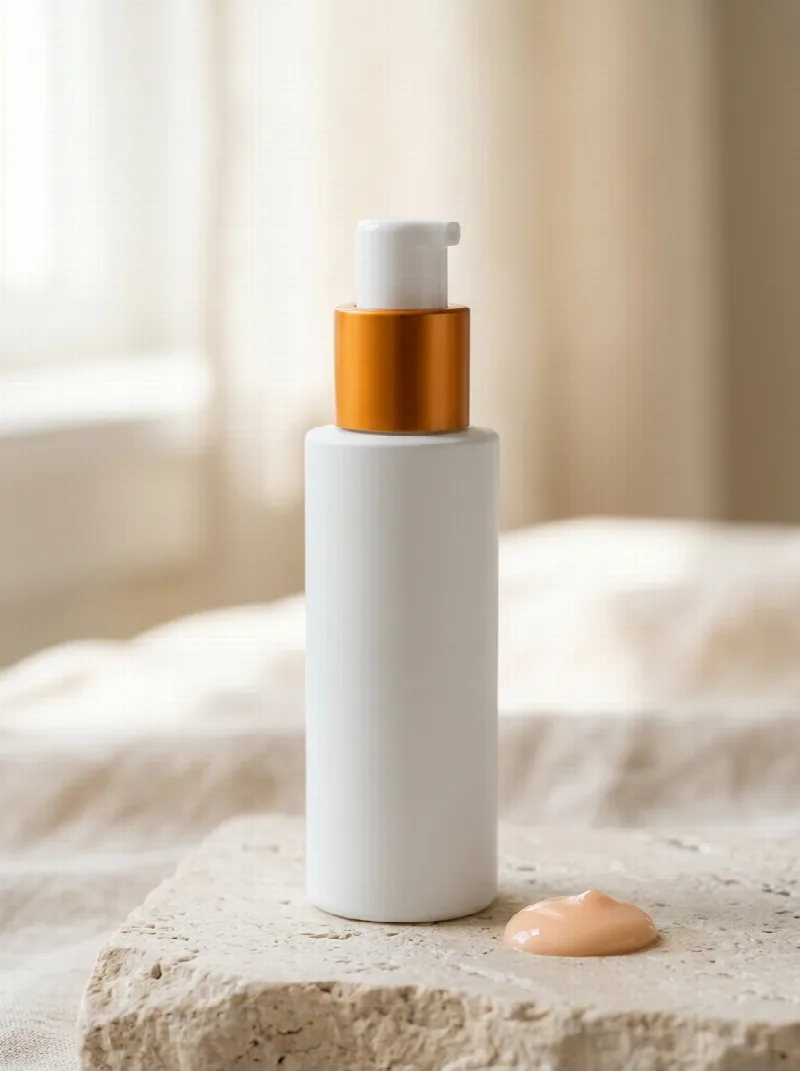
02 · Best for dry or mature skin
Sunday Riley C.E.O. 15% Vitamin C Brightening Serum
Sunday Riley
Most vitamin C serums feel tight or sticky on dry, mature skin. Sunday Riley swaps watery acid for 15% THD ascorbate — an oil-soluble derivative — inside a cushiony lotion base with a touch of glycolic acid for surface radiance, housed in an opaque pump that will not go brown in six weeks. Dry and normal skin types love the immediate dewy bounce; oily, acne-prone or fragrance-sensitive buyers are the ones leaving 1-star reviews.
Liked
- Oil-soluble 15% THD ascorbate resists oxidation far longer than dropper serums
- Hydrating lotion texture doubles as a light morning moisturizer on dry skin
- Opaque airless-style pump protects the formula from light
Didn't like
- Contains sweet orange citrus scent and glycolic acid, which can irritate sensitive skin
- Rich base can ball up (pill) under heavy silicone sunscreens or primer if you rush
- Acne-prone buyers frequently report clogged pores or small bumps
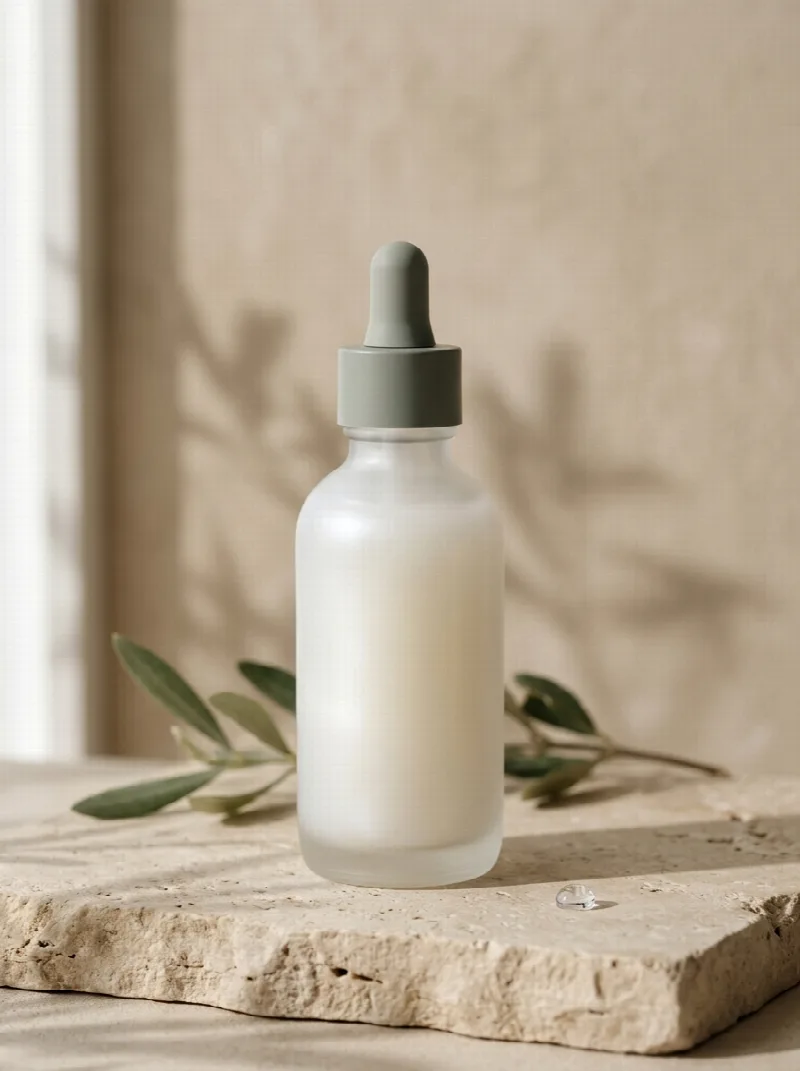
03 · Best if vitamin C stings your skin
Caudalie Vinoperfect Brightening Dark Spot Serum
Caudalie
If every vitamin C bottle you have ever tried left you red around the nose or stinging on your cheeks, stop buying ascorbic acid. Caudalie uses viniferine (derived from grapevine sap) alongside olive squalane in an oil-free milky fluid. It never oxidizes, does not sting compromised barriers, and layers smoothly under makeup — though buyers expecting fast results on deep, years-old sun spots often find it too gentle for the price.
Liked
- Non-acid formula avoids the burning and flushing common with 15–20% vitamin C
- Stays white and stable down to the last drop — zero oxidation waste
- Milky squalane base feels soothing and never pills under makeup
Didn't like
- Contains added green-grape fragrance (parfum), so strict fragrance-avoiders should skip
- Works gradually — 1-star reviewers often say stubborn melasma barely budged after one bottle
- Some acne-prone users still report closed comedones despite the oil-free claim
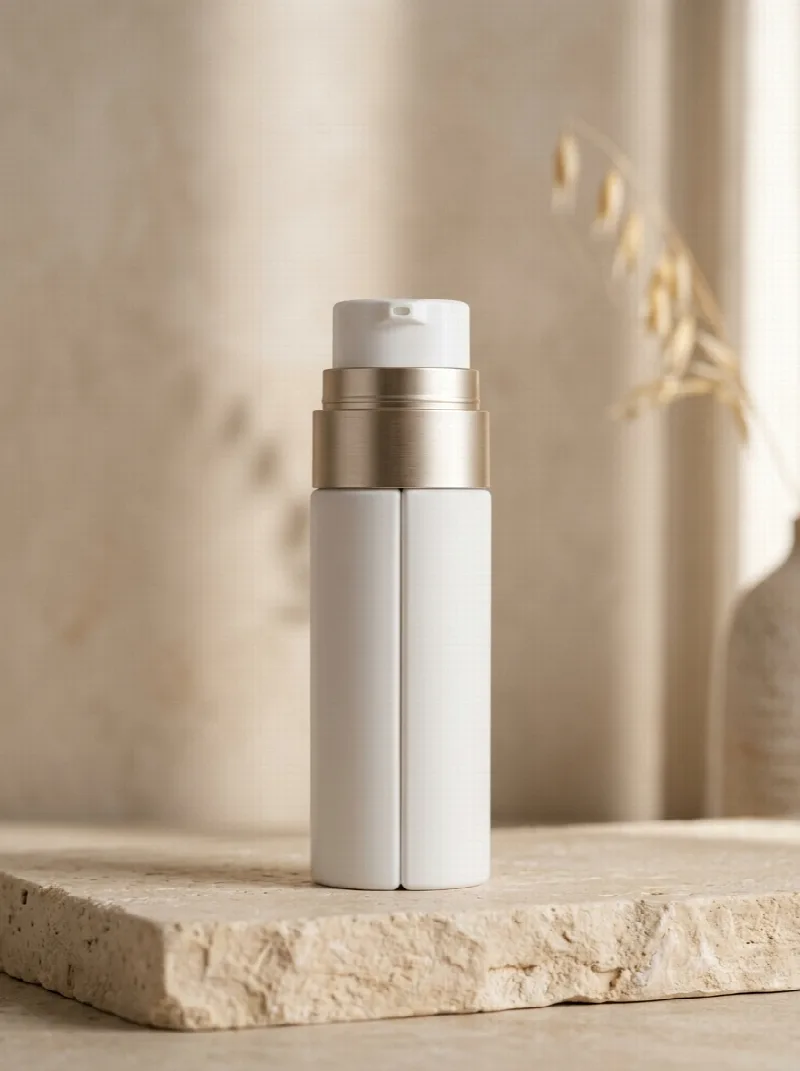
04 · Fastest surface glow (for resilient skin)
Murad Vita-C Glycolic Brightening Serum
Murad
Murad pairs gold-stabilized L-ascorbic acid and THD ascorbate with glycolic acid in a dual-chamber bottle so exfoliation and brightening happen in one step. On resilient, sun-damaged skin, buyers praise how quickly rough texture and dullness clear up. On sensitive skin — or anyone already using retinoids and acid toners — that exact acid stack is why 1-star reviews complain about sharp stinging, alongside recurring complaints about the dual-chamber pump losing suction early.
Liked
- Combines dual vitamin C forms with glycolic acid for noticeably faster surface radiance
- Dual-chamber packaging keeps the active side fresher than open droppers
- Good match for thick, sun-damaged or post-summer dull skin
Didn't like
- Glycolic acid + vitamin C stings sharply on sensitive or over-exfoliated skin
- Frequent packaging complaint: the dual-chamber pump can clog or stop dispensing early
- Contains fragrance and should not be layered with other strong morning acids
Paula’s Choice C15 vs Sunday Riley C.E.O.: which 15% bottle makes more sense?
Both carry 15% on the label, yet they suit opposite bathrooms. Paula’s Choice C15 is fragrance-free, watery, and uses pure L-ascorbic acid with ferulic acid — better for oily or combination skin and backed by stronger clinical evidence, provided you finish the bottle before it oxidizes. Sunday Riley C.E.O. uses oil-soluble THD ascorbate in a scented lotion pump — far gentler on dry skin and shelf-stable for months, but risky if you clog or pill easily. Pick Paula’s Choice for oilier or fragrance-free routines; pick Sunday Riley only if your skin is dry and tolerates citrus scent.
Best pure vitamin C
BOOST C15 Super Booster
Paula’s Choice
Best for dry skin
C.E.O. 15% Vitamin C Serum
Sunday Riley
Gentle alternative
Vinoperfect Dark Spot Serum
Caudalie
Resilient skin glow
Vita-C Glycolic Serum
Murad
How to use a luxury vitamin C serum without wasting half the bottle
- Apply to clean, completely dry skin Damp skin speeds penetration of low-pH acids like Paula's Choice C15 and Murad Vita-C, which increases stinging without improving long-term results.
- Start 3 mornings a week before going daily Give your barrier two weeks at every-other-morning pacing, especially if you already use a retinoid at night.
- Wait 60–90 seconds before moisturizer and sunscreen Letting creamy serums like Sunday Riley C.E.O. settle before applying silicone-based SPF solves most of the pilling complaints in reviews.
- Always finish with SPF 30 or higher Vitamin C boosts your defense against UV free radicals, but without daily broad-spectrum sunscreen, existing dark spots darken faster than any serum can fade them.
- Store dropper bottles out of bathroom steam and sunlight Keep pure L-ascorbic acid serums in a cool drawer or fridge, tighten the cap immediately, and stop using a clear formula once it turns dark reddish-brown.
Patch test behind your ear or along the jawline for 24–48 hours first. If you have active eczema, rosacea flares or broken skin, consult a dermatologist before starting strong actives.
How do I know if my vitamin C serum has oxidized and gone bad?
Pure L-ascorbic acid serums start clear or pale champagne-straw. A slight yellow tint is normal, but once the liquid turns dark orange or brownish-amber and smells sharply sour or metallic, it has oxidized — stop using it, as degraded vitamin C can irritate skin and stain pores.
Why does vitamin C serum smell like hot-dog water?
That savory, smoky smell comes from ferulic acid combined with L-ascorbic acid when a brand skips masking perfumes (as Paula's Choice C15 does). Dermatologists generally prefer that unmasked smell over added citrus essential oils, and the scent fades within a couple of minutes.
Can I use vitamin C in the morning and retinol at night?
Yes — dermatologists frequently recommend keeping antioxidant serum in the morning under sunscreen and retinoids at night so you do not stack two irritating actives in the same routine. Introduce one new bottle for two to three weeks before adding the other.
Does vitamin C cause skin purging, or am I breaking out?
Plain vitamin C and Caudalie's viniferine do not speed cell turnover enough to cause classic purging, so new bumps usually mean irritation or clogged pores from the base formula. Formulas that add glycolic acid (such as Murad Vita-C or Sunday Riley C.E.O.) can cause mild surface purging, but persistent redness or soreness is a sign to stop.
Our verdict
For most buyers willing to spend on prestige skincare, Paula’s Choice BOOST C15 Super Booster delivers the strongest ingredient case — fragrance-free 15% pure vitamin C with vitamin E and ferulic acid — as long as you use it consistently before it oxidizes. If your skin is dry and tolerates citrus scent, choose Sunday Riley C.E.O.; if pure vitamin C always stings you, go straight to Caudalie Vinoperfect.
Beauty On Mind Editorial
We research skincare and beauty products using brand information, ingredient lists and published reviews, then explain them in plain language. We do not test products ourselves, and we link to the retailer so you can check current prices and reviews.